
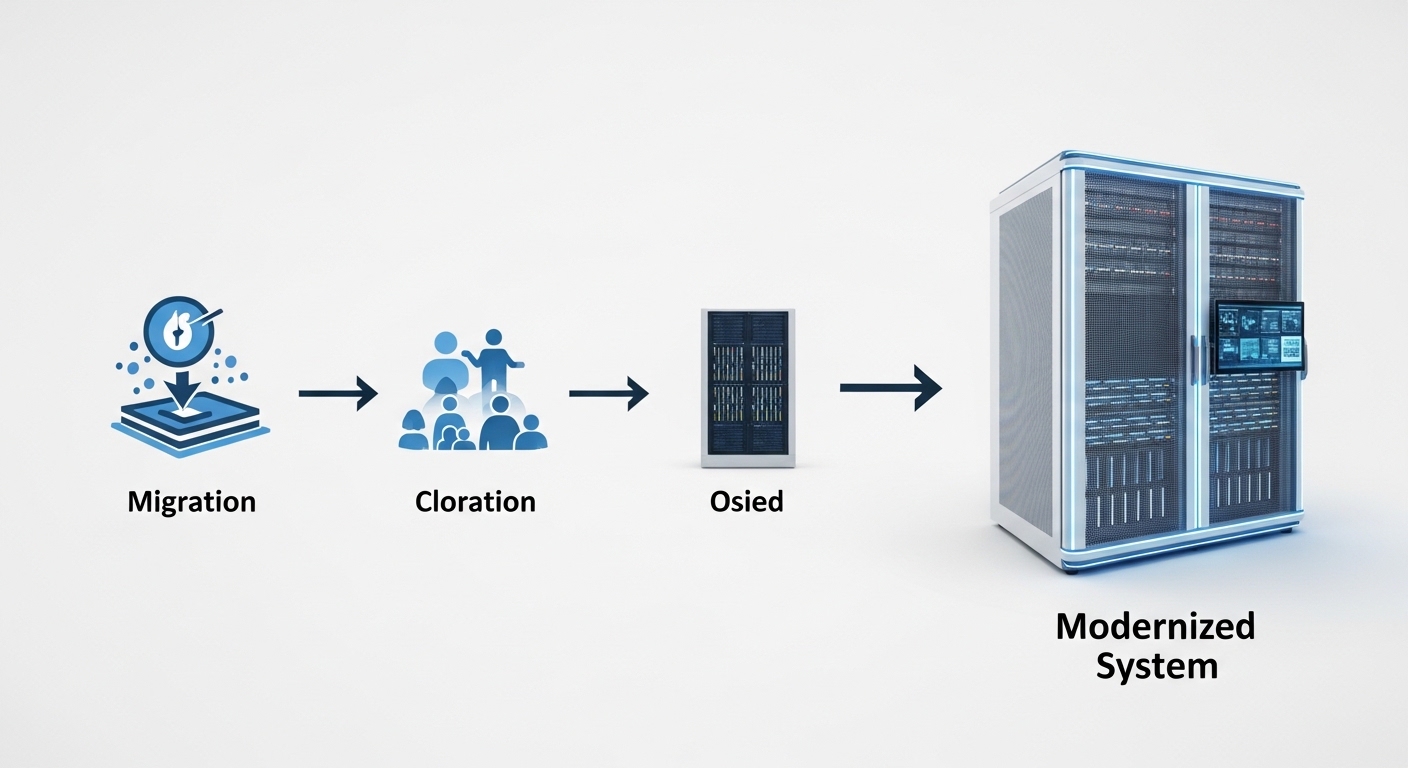
Understanding Legacy Systems and the Need for Modernization
Legacy systems often hinder operational efficiency due to outdated technology, poor integration capabilities, and high maintenance costs. They are typically based on older programming languages, hardware, and systems architecture, which makes them hard to modify or scale. As organizations adopt new technologies to remain competitive, migrating from these aging systems becomes paramount.
Assessing the Existing Infrastructure
Conduct a Comprehensive System Audit
The first step in any effective automation migration strategy is to conduct a detailed audit of the current legacy systems. This includes identifying the technologies in use, the hardware configurations, and application dependencies. By mapping out the entire infrastructure, organizations can understand what components are critical and which can be deprecated or replaced.
Identify Integration Points
Legacy systems often serve as critical nodes in the organizational ecosystem. Identifying how these systems integrate with other applications—internally or externally—helps in understanding the migration impact. This process includes reviewing APIs, databases, and dataflows that link to other systems.
Establishing Clear Migration Goals
Define Objectives and Success Metrics
Before embarking on migration, establish clear objectives. Are you looking to reduce operational costs, improve performance, or enhance user experience? These goals should guide the entire migration process. Additionally, defining success metrics during planning helps in measuring achievement throughout the migration.
Prioritize by Business Value
Not all applications hold equal importance to the organization. Prioritize the migration of systems that deliver the highest business value or those that are causing the most pain. This prioritization ensures that resources focus on areas that will yield the most significant impact.
Choosing the Right Migration Strategy
Lift-and-Shift Migration
This strategy involves moving applications to a cloud environment with minimal changes. While this approach is faster and generally easier, it may not optimize functionalities. It’s most beneficial for organizations looking for quick wins and significant cost reductions without engaging in extensive system overhauls.
Re-Platforming
Re-platforming involves making minimal modifications to leverage cloud advantages while migrating. This strategy enhances scalability and reduces costs while maintaining the application’s core functionalities. It’s a middle-ground approach suitable for many organizations transitioning to cloud-based services.
Refactoring
Refactoring rewrites parts of the application to optimize performance. This strategy allows organizations to re-engineer applications for improved interoperability, performance, and user experience while migrating. Although it requires more time and resources, the long-term benefits often justify the investment.
Replacing
In some cases, especially with outdated applications, replacing a legacy system with a more modern, off-the-shelf solution may be the most efficient option. Although this requires thorough investigation and planning, the payoff can significantly enhance organizational agility and performance.
Implementation Framework
Design a Phased Migration Approach
Phasing the migration minimizes disruptions and allows for testing at each stage. Break the migration into manageable chunks, aligning system transfers with business cycles. Implement critical workflows first, followed by ancillary systems. This ensures that employees always have access to essential functionality.
Ensure Robust Data Migration
Data is a crucial component of any system. Failing to accurately migrate data can lead to significant operational disruption. Strategic plans for data validation, cleansing, and reconciling are vital. Techniques such as data profiling and mapping enhance the integrity and utility of the migrated data.
Automate Testing Processes
Implement automated testing to confirm that migrated systems function as intended. Automated tests can significantly reduce manual labor and the likelihood of human error. Testing should cover not only functional aspects but also performance and security parameters.
Leveraging Automation Tools
Utilizing DevOps Tools
Integrating automation with DevOps practices can streamline and accelerate migration. Tools like Jenkins, Docker, and Kubernetes facilitate continuous integration and deployment, ensuring faster updates and better collaboration between development and operations teams.
Infrastructure as Code (IaC)
IaC allows organizations to manage and provision computing infrastructure through code rather than manual processes. By automating infrastructure management, organizations can reduce human errors, improve consistency, and speed up migration. Tools like Terraform and AWS CloudFormation are popular choices in this arena.
Monitoring and Logging
Implementing automated monitoring and logging tools is essential for identifying issues in real-time. Observability tools, such as Prometheus or Grafana, can provide insights into system performance post-migration, enabling teams to respond swiftly to any discrepancies.
Change Management and Training
Engaging Stakeholders
Involving stakeholders throughout the process can alleviate resistance and foster a sense of ownership over the new system. Regular updates, feedback loops, and open communications help build trust and clarity around the migration’s objectives.
Comprehensive Training Programs
Migration is not only about technology; it also requires change management. Develop targeted training programs addressing the new systems’ functionalities. Empowering employees through workshops and tutorials facilitates a smoother transition and enhances adoption rates.
Continuous Improvement Post-Migration
Establish Feedback Mechanisms
After the migration is complete, collecting user feedback is paramount for ongoing improvement. Implement mechanisms like surveys or user forums that allow employees to share their experiences with the new systems. Their insights can inform necessary adjustments and enhancements.
Regular System Updates
Tech environments are dynamic; thus, regular system updates are vital for security and performance. Establishing a schedule for maintenance and updates post-migration ensures that the infrastructure remains responsive to evolving business needs.
Evaluate Against Success Metrics
Finally, post-migration, consistently evaluate whether the migration objectives are being met. Use the defined success metrics as a yardstick to measure the effectiveness of the migration. This analysis can guide future modernization efforts and ensure that the organization continues to innovate and adapt.
Conclusion
Adopting effective automation migration strategies to modernize legacy systems is not merely an IT upgrade; it’s a transformative approach that can enhance overall business agility, operational efficiency, and competitive edge. Through careful assessment, strategic planning, and robust implementation, organizations can ensure that their migration journey is successful and positions them for future growth.