AI Side Hustles vs Traditional Side Hustles: Which One Earns You More?
Understanding Side Hustles
Side hustles have emerged as a golden opportunity for individuals to supplement their income alongside their primary jobs. These ventures can range from freelance opportunities to entrepreneurship, and as technology progresses, new pathways have opened for earning extra income through the use of artificial intelligence (AI).
What Are Traditional Side Hustles?
Traditional side hustles encompass a vast range of activities that have been followed for generations. Common examples include:
- Freelancing: Writers, graphic designers, and consultants find gigs on platforms like Upwork and Fiverr.
- Tutoring: Teaching subjects like math, science, or languages, often in person or via online platforms.
- Ridesharing: Driving for companies such as Uber or Lyft.
- Handyman Services: Performing tasks such as plumbing, gardening, or electrical work.
- E-commerce: Selling products on platforms like Etsy, eBay, or Amazon.
Each traditional hustle has its own degree of income potential and involves varying degrees of time investment and skill level.
Overview of AI Side Hustles
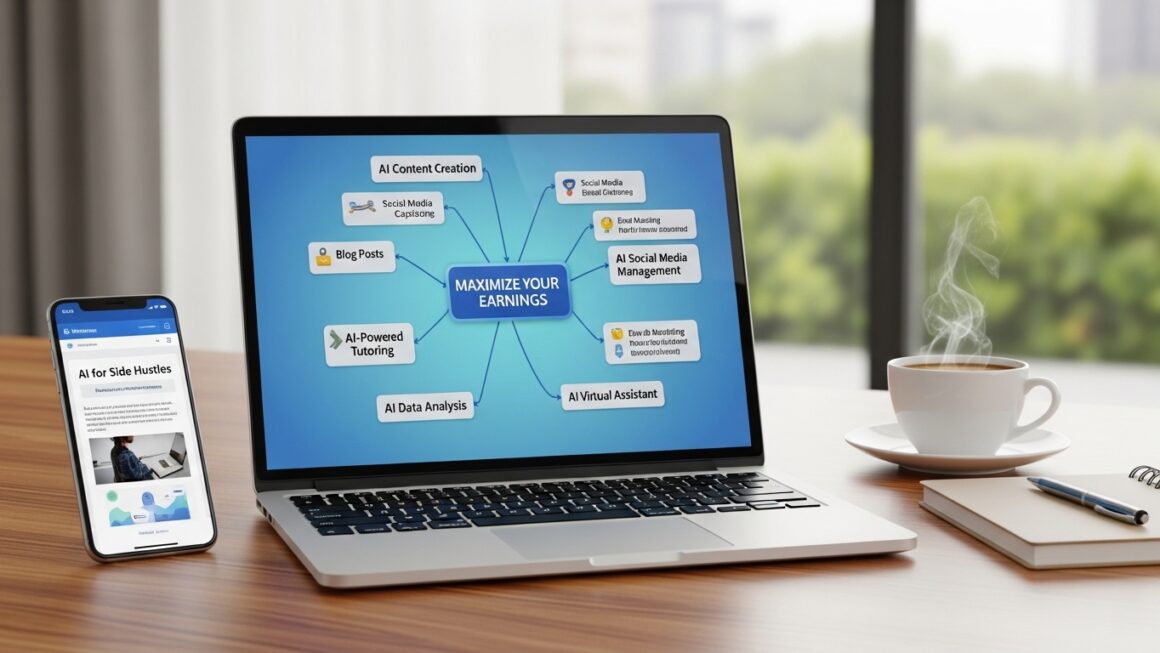
On the other hand, AI side hustles leverage technology to create income streams that may have been unimaginable a decade ago. Examples include:
- AI Content Generation: Writing blog posts or marketing copy using AI writing tools like OpenAI’s ChatGPT.
- Data Analysis: Offering insights derived from data using AI tools for businesses.
- Digital Marketing Automation: Using AI for targeted advertising and customer segmentation.
- Chatbot Development: Creating chatbots for customer service solutions.
- AI Art and Design: Using AI tools to create artwork, logos, or design projects for clients.
These side hustles tap into advanced technologies that can streamline processes and enhance creativity, potentially unlocking higher earnings.
Earning Potential Comparison
When comparing the earning potential of traditional side hustles to AI side hustles, several factors must be considered:
-
Market Demand: The market demand for a particular skill or service plays a crucial role in determining earning potential. While traditional skills like tutoring may have consistent demand, AI skills are becoming increasingly sought after in today’s digital economy. For instance, businesses are investing heavily in AI-driven solutions and are willing to pay for skilled professionals who can help them implement these tools.
-
Scalability: AI side hustles often exhibit greater scalability. A freelance writer can only take on so many projects at once, while an individual using AI tools can handle multiple clients, producing more content significantly faster. This scalability can lead to increased earnings and lower time investment per client.
-
Hourly Rates: For traditional side hustles, hourly rates can vary widely based on the profession and geographic location. Freelance writers may charge between $20 to $100 per hour, while skilled trades such as plumbing may charge upwards of $70 an hour. Conversely, AI side hustle rates could range from a flat fee for project completion to hourly rates that leverage the technology’s speed and skill, potentially leading to $150+ per hour for specialized AI services.
-
Upfront Investment: Many traditional side hustles require an initial investment in tools or materials (e.g., tutoring materials, driving expenses), while AI side hustles may require a subscription to premium software. However, many AI tools now offer free tiers that can facilitate lower upfront investments.
- Time Commitment: Traditional side hustles often require a set number of hours to be effective, while AI side hustles can offer a more flexible schedule, allowing users to work around their primary job. This flexibility can yield income with less time committed.
Skill Development and Learning Curve
Traditional side hustles like tutoring or freelancing often rely on existing skills, potentially requiring less formal training to get started. However, they may necessitate continual professional development to remain competitive.
In contrast, entering the AI sector generally requires a willingness to learn new technologies. Although initial training might be needed to understand AI tools and methodologies, the investment can yield high returns, especially as demand for these skills continues to grow.
Consumer Trust and Branding
With traditional side hustles, consumer trust often builds around personal relationships and word of mouth. Freelancers may have to nurture their reputation over time, while clients can benefit from glowing reviews.
AI side hustles, on the other hand, might face skepticism at first. As businesses learn the value AI brings, branding strategies will become crucial. Establishing credibility through case studies, certifications, and testimonials from AI-driven endeavors can significantly enhance a freelancer’s marketability.
Future Prospects
As technology continues to evolve, AI side hustles are positioned to dominate the future landscape of income-generating activities. The rise of AI-driven services indicates a future where individuals who adapt and learn will have broader opportunities to earn well beyond traditional side hustles.
Traditional opportunities will remain, especially for those who prefer hands-on tasks or interpersonal skills. However, advancements in AI may suggest a shift where traditional hustles become less lucrative over time.
Risks Involved
Both traditional and AI side hustles come with inherent risks. Traditional jobs can suffer from economic downturns, while AI projects may face rapid technological changes, requiring constant adaptation. Earning potential should always be balanced with the risks associated with fluctuations in market demand.
Conclusion: Which Path to Choose
Deciding between an AI side hustle and traditional side hustle ultimately comes down to personal preference, skill set, and willingness to adapt. AI side hustles can potentially yield higher returns, increasing the chances of earning more while requiring less time. However, traditional side hustles offer proven paths with established demand for services.
Thoroughly weighing personal interests, market trends, and skills will help in choosing a side hustle that not only generates income but also aligns with career aspirations. The choice between AI and traditional side hustles can open various doors, each leading to new possibilities.