
Understanding the Importance of Revenue Recovery
Maximizing revenue recovery is crucial for any business looking to enhance profitability. It involves implementing strategies to reclaim lost income, whether from abandoned carts, unpaid invoices, or churned customers. Advanced email automation workflows play a vital role in this process, enabling businesses to engage customers at various stages of the buying journey.
The Role of Email Automation in Revenue Recovery
Email automation allows businesses to send timely and relevant messages to customers, enhancing engagement and encouraging conversions. By segmenting audiences and personalizing content, companies can create tailored campaigns that resonate with individual consumer needs. This can dramatically improve the chances of recovering lost revenues.
Building Customer Loyalty Through Email Engagement
Customer loyalty is paramount for sustained revenue recovery. When customers feel valued, they are more likely to engage with your brand. Advanced email automation workflows can foster this loyalty by providing personalized experiences, educating customers about products, and promoting relevant offers. Here are strategies to enhance customer retention through email:
1. Segmentation and Target Audience Identification
Segmenting your audience is foundational to successful email campaigns. Analyze customer behavior, preferences, and demographic information to create targeted groups. Implement workflows that send customized emails to specific segments, such as:
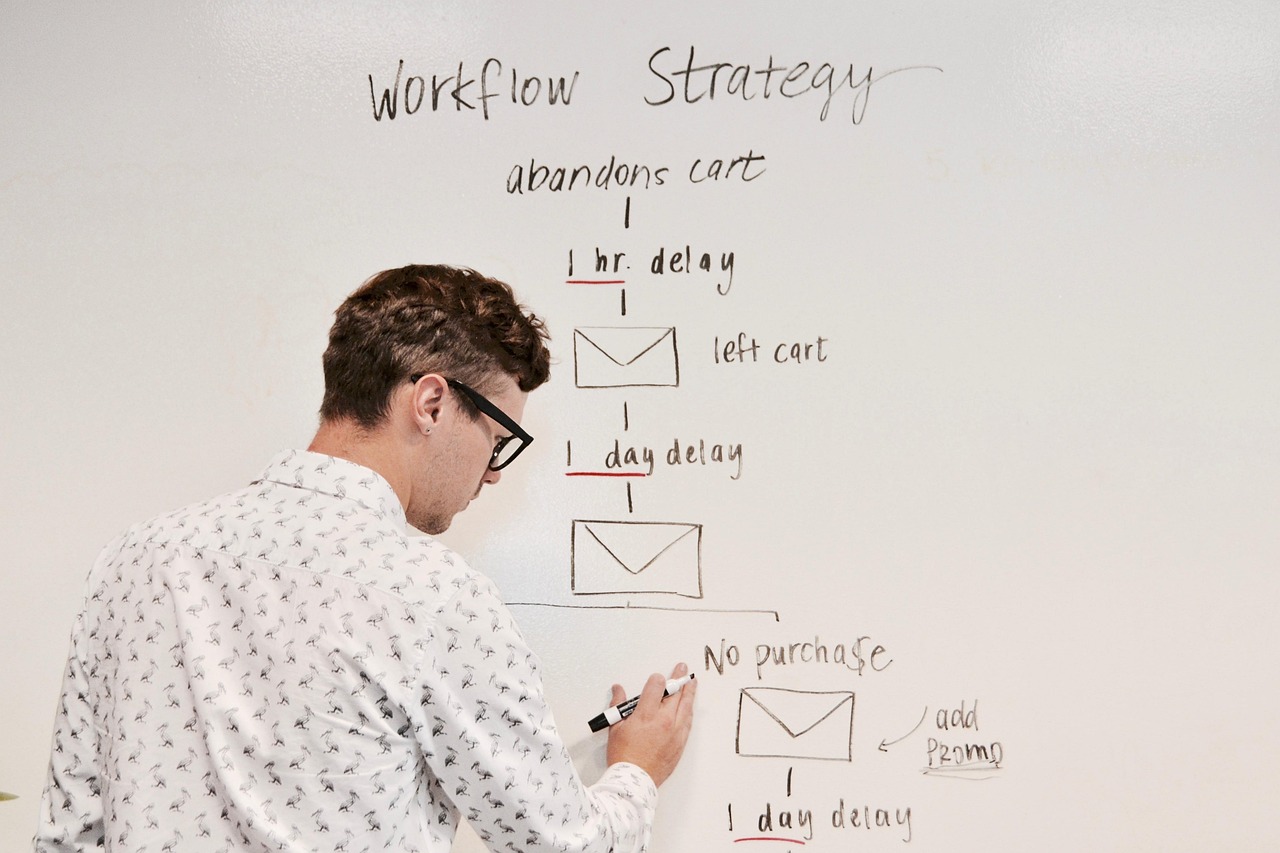
- Abandoned Cart Emails: Remind customers of items left in their carts, presenting them with a compelling reason to complete the purchase.
- Win-Back Campaigns: Target customers who have not engaged with your brand recently, offering exclusive discounts or content to rekindle their interest.
2. Personalization Techniques
Personalization increases engagement rates significantly. Use advanced email automation tools to include personalized subject lines, content recommendations based on past purchases, and dynamic content that adjusts according to user behavior. This creates a meaningful connection with customers, making them feel understood and valued.
- Dynamic Product Recommendations: Showcase products based on browsing history or previous purchases, increasing the likelihood of conversion.
- Personalized Discounts: Provide tailored offers based on customer behavior, encouraging repeat purchases.
3. Drip Campaigns for Nurturing Leads
Drip campaigns are a series of automated emails sent over a period, aimed at nurturing leads into loyal customers. This strategy helps maintain customer engagement without overwhelming them. Effective drip campaigns should include:
- Welcome Series: Introduce new subscribers to your brand, highlight value propositions, and outline what they can expect from your emails.
- Educational Content: Share valuable information or tips related to your products, helping customers see the benefit of purchasing from you.
Leveraging Customer Feedback for Improvement
Customer feedback can provide crucial insights into areas for improvement. Incorporate automated workflows that solicit feedback post-purchase or after customer support interactions. Use this data to enhance your offerings and build loyalty.
- Post-Purchase Surveys: Send automated surveys asking customers about their purchase experience, product satisfaction, and areas for improvement.
- Customer Support Follow-ups: Use automation to follow up on support interactions, gauging customer satisfaction and encouraging further engagement.
Timing and Frequency: Striking the Right Balance
Automation offers the ability to send emails at optimal times for customer engagement. Analyzing open rates and click-through rates can guide your timing strategy. Additionally, you need to determine the right frequency of emails to avoid overwhelming your audiences.
- Analyzing Behavior: Use email analytics to identify what times yield the highest engagement, adjusting your sending schedule accordingly.
- Balancing Frequency: Aim to send a mixture of promotional and educational content, ensuring customers receive value while remaining engaged.
A/B Testing for Optimization
A/B testing is essential for optimizing email campaigns. It allows you to compare two versions of an email to evaluate which performs better. Focus on elements such as subject lines, email content, images, and calls-to-action (CTAs).
- Subject Lines: Test different approaches to see which garners higher open rates.
- Call-to-Action: Experiment with varying CTA text and placements to find the most effective.
Integrating Social Proof in Email Campaigns
Integrating social proof into email content can foster trust and encourage action. Include customer testimonials, product reviews, and user-generated content within your email layouts.
- Customer Testimonials: Highlight positive experiences from existing customers to showcase credibility.
- User-Generated Content: Encourage customers to share their experiences on social media, sharing these posts in follow-up emails.
Utilizing Analytics for Continuous Improvement
Analytics are critical for understanding the efficacy of your email automation workflows. Implement robust analytics tools to track key metrics such as open rates, click-through rates, and conversion rates.
- Regular Analysis: Review performance data regularly to identify trends and adjust your strategy as needed.
- Customer Behavior Insights: Leverage insights to determine how customers interact with your brand, adjusting future campaigns based on these findings.
The Power of Re-engagement Campaigns
Re-engagement campaigns are specifically designed to win back inactive customers. By using targeted messaging, businesses can reintroduce value and generate interest in their products or services.
- Exclusive Offers: Send personalized offers that demonstrate an understanding of the customer’s preferences and encourage them to return.
- Content Refresh: Share new products or services that might align with their interests, renewing their connection with your brand.
Conclusion
Incorporating advanced email automation workflows for revenue recovery not only maximizes profits but also helps build lasting customer loyalty. By utilizing segmentation, personalization, and targeted messaging, businesses can engage customers effectively, recovering lost revenue while nurturing relationships that yield long-term benefits. Streamlining these efforts with analytics and continual optimization ensures that your strategies evolve alongside your customer base, leading to better revenue outcomes and improved customer satisfaction.