
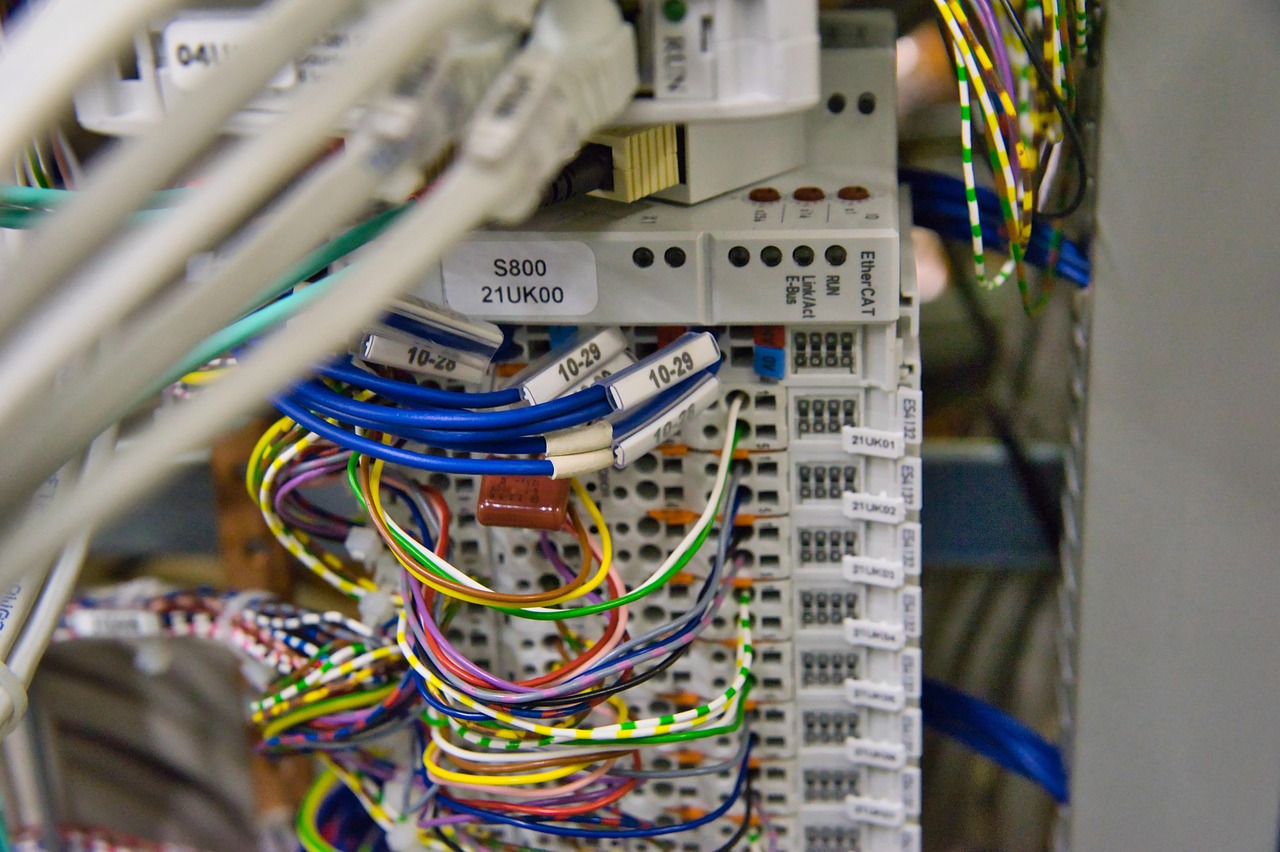
Understanding Industry 4.0 Automation
Industry 4.0 represents the fourth industrial revolution, characterized by the integration of digital technology, the Internet of Things (IoT), artificial intelligence (AI), and automation in manufacturing processes. To embrace Industry 4.0 effectively, manufacturers need to adopt cost-effective strategies that enhance productivity without incurring excessive costs.
1. Assess Current Capabilities and Needs
Before implementing Industry 4.0 solutions, manufacturers should conduct a thorough assessment of their current operational capabilities. This includes evaluating existing machinery, supply chain dynamics, workforce skills, and technology infrastructure. By identifying gaps and areas for improvement, manufacturers can strategically prioritize where investments in automation will yield the most benefit.
2. Invest in Modular Solutions
A significant barrier to automation can be the high costs associated with full-scale system overhauls. Instead, consider investing in modular automation solutions that can be introduced incrementally. For instance, upgrading a specific production line with IoT sensors and connectivity can allow for real-time monitoring and eventually lead to more informed decision-making across the manufacturing floor.
3. Leverage Cloud Computing
Cloud computing provides a cost-effective solution for data management and analytics. Manufacturers can access scalable computing resources without the overhead of maintaining on-premises servers. This flexibility allows organizations to analyze manufacturing data more effectively, leading to insights that can drive optimization in inventory management, predictive maintenance, and production scheduling.
4. Embrace Open-Source Software
Utilizing open-source software is an effective way to reduce software licensing costs associated with automation tools. Moreover, open-source solutions often come with robust communities that can provide support, resources, and upgrades. By customizing these tools to meet specific manufacturing needs, companies can implement automation without incurring the significant costs associated with proprietary software licensing.
5. Start with Pilot Projects
Implementing new technologies on a full scale can lead to considerable risk and cost. Starting with pilot projects enables manufacturers to test the viability of automation technologies in a controlled environment. For example, integrating a small-scale robotic system for a specific task can help gauge the impact on efficiency and costs before committing to a broader rollout.
6. Upskill and Reskill Employees
Investing in workforce development is essential when initiating an Industry 4.0 transition. Training programs that focus on upskilling and reskilling employees on new technologies can help bridge the gap between traditional manufacturing practices and modern automation techniques. Engaging workers in the transition not only improves morale but also enhances productivity, as skilled employees are more effective in managing automated systems.
7. Collaborate with Technology Partners
Forming strategic partnerships with technology providers can facilitate a smoother transition to automation. By collaborating with established firms that specialize in Industry 4.0 technologies, manufacturers can leverage expertise without the heavy upfront investment of building in-house capabilities. Many technology vendors offer financing options, making solutions more accessible.
8. Utilize Data Analytics
Data analytics is a cornerstone of Industry 4.0. Manufacturers should prioritize investments in data collection and analysis tools that provide insights into production processes. By harnessing data analytics, companies can identify inefficiencies, forecast trends, and optimize inventory levels, thus improving overall operational efficiency at a relatively lower cost.
9. Integrate Legacy Systems
Instead of discarding older machinery, manufacturers can look into integrating these systems with modern technologies. Utilizing IoT devices and middleware can enable legacy machines to communicate with newer solutions. This approach maximizes existing investments while gradually enhancing automation on the shop floor without incurring the costs of complete equipment replacements.
10. Adopt Agile Methods
Agile methodologies, borrowed from software development, can streamline the implementation of automation in manufacturing. An agile approach encourages quick iterations, regular feedback, and adaptability. By breaking down projects into manageable sections, manufacturers can minimize risks and lower costs while handling changes in technology or market demands.
11. Optimize Supply Chains with Automation
Supply chain optimization can be achieved through automation at various stages. Implementing automated inventory management systems to track stock levels in real time can mitigate risks associated with out-of-stock scenarios or excess inventory. Additionally, automating procurement processes can lead to cost reductions and increased efficiency, as orders are placed automatically as needed.
12. Utilize Simulation Tools
Before investing in new automation equipment, manufacturers can use simulation tools to model their processes digitally. This allows for performance analysis and optimization without the financial risk of unproven technologies. Simulations can help in understanding how changes will impact efficiency and output, enabling educated decisions before actual implementation.
13. Focus on Energy Efficiency
Integrating energy-efficient technologies not only serves sustainability goals but also reduces operational costs. Automation can disrupt and optimize energy consumption in manufacturing by scheduling machine operations during off-peak hours or enabling a more precise energy management system. Such strategies can deliver significant savings.
14. Employ Lean Manufacturing Principles
Lean manufacturing principles focus on reducing waste and maximizing value. Integrating automation within a lean framework can enhance efficiency while cutting unnecessary costs. By eliminating redundancy through automation, manufacturers can streamline processes, resulting in lower operational expenditures while increasing output.
15. Monitor and Iterate
Finally, continuous monitoring and assessment of automated processes are critical. Implementing real-time performance dashboards offers insights into operational effectiveness and areas that still require fine-tuning. By tracking key performance indicators (KPIs), manufacturers can identify bottlenecks and optimize processes further, enhancing the ROI on automation investments.
Summary
Implementing Industry 4.0 automation in manufacturing doesn’t have to be synonymous with high costs. By utilizing cost-effective strategies such as modular solutions, cloud computing, and employee training while continuously monitoring performance, manufacturers can position themselves at the forefront of the industrial revolution without overspending.