
Top Industrial Automation Strategies to Boost Manufacturing Efficiency
1. Implementing IoT Solutions
The Internet of Things (IoT) represents a revolutionary shift in how devices within a manufacturing environment communicate and operate. By integrating sensors and smart devices, manufacturers can gather real-time data on equipment performance, inventory levels, and production processes. This data can be analyzed to predict equipment failures, optimize maintenance schedules, and enhance workflow. IoT enables more accurate demand forecasting by analyzing historical usage patterns and market trends, helping businesses streamline production processes and reduce waste.
2. Utilizing Advanced Robotics
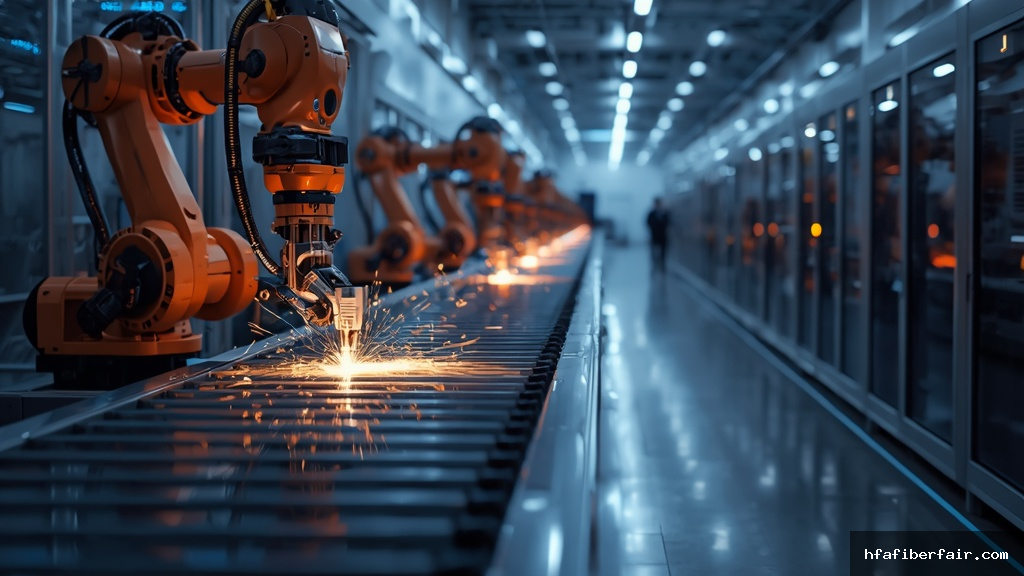
Robots are becoming increasingly sophisticated, aiding significantly in production lines. Advanced robotics can perform repetitive tasks with high precision and speed, reducing human error and increasing output. Collaborative robots, or cobots, work alongside human operators, enhancing efficiency by taking on the more mundane aspects of labor. Their integration allows skilled workers to focus on complex tasks that require human judgment, ultimately enhancing overall productivity.
3. Leveraging Artificial Intelligence (AI) and Machine Learning
AI and machine learning tools can analyze vast amounts of data from manufacturing processes to uncover patterns and insights that are beyond human capability. AI algorithms optimize production schedules and supply chain logistics by predicting potential bottlenecks and congestion points. Machine learning can fine-tune manufacturing processes based on historical data, leading to greater consistency in product quality and a reduction in waste.
4. Adopting Modular Production Systems
Modular production systems allow for greater flexibility in manufacturing. By breaking down the production process into smaller, self-contained modules, manufacturers can easily adapt to changing market demands. This modularity enhances customization capabilities and reduces lead times, enabling firms to respond quickly to client requirements. It also allows for easier scaling up or down depending on production needs, improving overall resource management.
5. Digital Twin Technology
Digital twin technology creates virtual replicas of physical assets and processes. This technology allows manufacturers to simulate changes in production processes in a controlled, virtual environment before applying them in real life. By analyzing the performance of the digital twin, manufacturers can anticipate problems and optimize processes without disrupting production. As a result, digital twins can lead to significant improvements in efficiency, as they facilitate thorough testing and validation of new production strategies.
6. Enhanced Supply Chain Automation
Supply chain management is essential for maintaining efficiency in manufacturing. Automating supply chain processes through the use of AI and real-time data analytics can help identify inefficiencies and streamline workflows. By employing automated inventory management systems, manufacturers can optimize stock levels, reduce carrying costs, and decrease the likelihood of stockouts. Automated order processing systems ensure timely and accurate deliveries, enhancing customer satisfaction.
7. Predictive Maintenance
Integrating predictive maintenance into manufacturing operations enables firms to utilize IoT sensors and data analytics to monitor equipment health continuously. By predicting malfunctions before they occur, companies can significantly reduce downtime and maintenance costs. Predictive maintenance prioritizes repairs based on data trends, leading to better resource allocation and increased overall efficiency.
8. Cloud Computing in Manufacturing
Cloud computing enables manufacturers to store and process vast amounts of data remotely. This flexibility allows for collaborative work across different locations and better data access for decision-makers. By harnessing cloud technology, manufacturers can scale their operations, streamline processes, and reduce hardware costs. Additionally, cloud-based systems can facilitate better integration between different software applications, improving operational workflows.
9. Implementing Lean Manufacturing Principles
Lean manufacturing focuses on minimizing waste within manufacturing systems while simultaneously maximizing productivity. By instituting continuous improvement practices and eliminating non-value-added activities, manufacturers can enhance operational efficiency. Techniques such as the 5S methodology (Sort, Set in order, Shine, Standardize, Sustain) can help organize the workplace and improve productivity, leading to increased efficiency.
10. Workforce Training and Development
Investing in workforce training is crucial for optimizing industrial automation strategies. As new technologies emerge, continuous education ensures that employees are well-equipped to leverage these innovations effectively. Upskilling staff in advanced manufacturing practices, data analysis, and robotics will not only enhance operational efficiency but also foster a culture of adaptability and problem-solving within the workforce.
11. Integration of Augmented Reality (AR)
Augmented reality can play a pivotal role in improving manufacturing efficiency by providing real-time information overlaid on physical equipment. Maintenance staff can use AR for training, simplifying complicated repair procedures with visual aids. Additionally, AR can be utilized during the assembly process, guiding workers through complex tasks, reducing errors, and improving production times.
12. Energy Management Systems
Energy consumption is a notable expense for manufacturing operations. Implementing energy management systems enables manufacturers to monitor and optimize their energy usage in real-time. By employing smart meters and data analytics, companies can identify areas for improvement, leading to lower energy costs and reduced environmental impact. Enhanced energy efficiency not only saves money but also aligns with sustainability goals that many organizations are pursuing.
13. Closed-Loop Manufacturing Systems
Closed-loop manufacturing systems promote a sustainability-focused approach by integrating recycling and waste reduction into the production process. By utilizing renewable materials and ensuring production waste is reprocessed, manufacturers can minimize their environmental impact while also creating a more efficient cycle of production. This approach not only appeals to environmentally conscious consumers but can also lead to cost savings over time.
14. Real-Time Production Monitoring
Real-time production monitoring technologies, such as dashboards and KPIs, enable manufacturers to keep tabs on production metrics and quality control continuously. By implementing a comprehensive monitoring system, businesses can quickly identify bottlenecks, productivity drops, and issues in quality. Immediate insights help in making informed adjustments quickly, leading to enhanced operational efficiency.
15. Blockchain for Transparency and Security
Integrating blockchain technology in manufacturing operations enhances transparency and security across the supply chain. This immutable ledger technology allows manufacturers to track products from production to delivery in real-time. By increasing traceability, companies can improve quality assurance while reducing the risk of fraud. This transparency fosters trust among manufacturers, suppliers, and customers alike, ultimately enhancing efficiency and collaboration.
16. Customization and Mass Personalization
The modern consumer increasingly prefers customized products, leading manufacturers to adopt strategies that allow for mass personalization. The use of automation technologies enables flexible manufacturing lines that can efficiently produce tailored products without sacrificing efficiency. By leveraging data analytics, manufacturers can gain insights into consumer preferences, allowing them to adjust production runs and maintain high levels of productivity.
17. Cross-Functional Teams
Establishing cross-functional teams within organizations can foster collaboration and improve innovation across departments. When engineers, managers, and production teams work together, knowledge and insights from different areas combine to enhance operational effectiveness. This holistic approach can uncover inefficiencies in existing processes and spark creative solutions that drive productivity improvements.
18. Enhanced Cybersecurity Measures
As manufacturing becomes more reliant on technology, ensuring cybersecurity is critical. Implementing robust cybersecurity measures protects sensitive data and manufacturing systems from cyber threats, which can result in costly downtimes and breaches. By securing their networks and devices, manufacturers can maintain efficiency and safeguard valuable intellectual property.
19. Sustainable Practices
Incorporating sustainability into manufacturing processes can lead to operational efficiencies by reducing waste and lowering costs. Practices such as using sustainable materials, optimizing resource usage, and implementing recycling strategies can decrease environmental impact while increasing operational efficiency. A commitment to sustainability can also improve brand reputation and customer loyalty.
20. Continuous Process Improvement
Emphasizing a culture of continuous improvement ensures that organizations are always looking for ways to enhance efficiency. Utilizing methodologies such as Six Sigma and Kaizen helps businesses systematically analyze processes, identify inefficiencies, and implement changes for improvement. This commitment to ongoing evolution can lead to significant boosts in manufacturing efficiency over time.
By adopting these top industrial automation strategies, manufacturers can significantly improve their operational efficiency, enhance product quality, and better respond to market demands.