Understanding Automation in Business
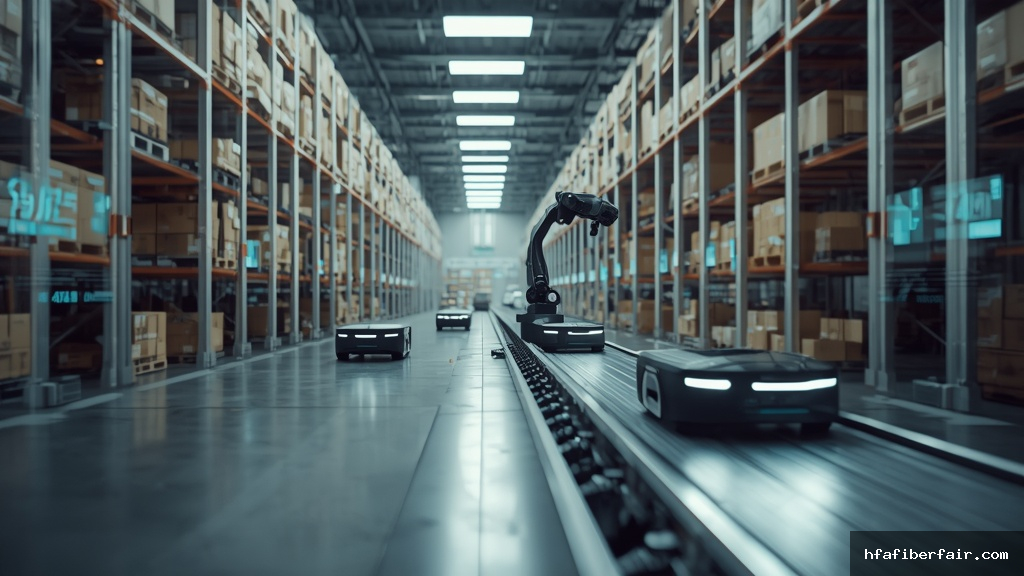
Automation refers to using technology to perform tasks with minimal human intervention. It enhances efficiency, reduces errors, and saves time. Integrating artificial intelligence (AI) into automation strategies elevates this process by adding cognitive capabilities, enabling systems to learn from data, adapt to changing conditions, and even predict future events.
The Synergy Between AI and Automation
AI augments automation by bringing intelligence into repetitive processes. Traditional automation relies on rule-based systems that follow predefined pathways. In contrast, AI-driven automation learns from outcomes, improving continuously. For instance, machine learning algorithms can adjust processes based on worker habits or operational data, optimizing workflows seamlessly.
Types of AI in Automation
-
Machine Learning: This form of AI uses statistical techniques to give computer systems the ability to “learn” from data. In automation, machine learning can analyze historical data to predict optimal scheduling and resource allocation.
-
Natural Language Processing (NLP): NLP allows machines to understand and interpret human language. Businesses can utilize this for automating customer service through chatbots, reducing the load on human agents.
-
Robotic Process Automation (RPA): RPA automates routine tasks in business processes. When enhanced with AI, RPA can handle more complex tasks that require decision-making and learning capabilities.
- Computer Vision: By utilizing computer vision, AI can automate quality control in manufacturing. It can identify defects and analyze visual data more accurately than human operators.
Developing an AI-Driven Automation Strategy
-
Define Objectives: Clarify what you aim to achieve by integrating AI into your existing automation framework. Objectives may include cost reduction, improved service delivery, or heightened customer satisfaction.
-
Assess Current Processes: Evaluate your existing workflows to identify where AI can have the most significant impact. Focus on areas with high volumes of repetitive tasks or data-driven decision-making requirements.
- Select the Right AI Tools: Various AI solutions cater to different needs. Options range from comprehensive platforms that offer multiple functionalities to specialized tools targeting specific tasks. Choosing the right tool depends on your goals and the complexity of your operations.
Implementation Steps
-
Data Preparation: AI thrives on data. Gather historical data relevant to the operations you want to automate, ensuring it is cleaned, structured, and ready for analysis.
-
Pilot Programs: Before a full-scale rollout, implement pilot programs. These smaller trials can help identify potential challenges and areas for improvement without significant resource allocation.
-
Integration with Existing Systems: Ensure that the chosen tools can work seamlessly with existing software. Integration allows for smoother transitions and minimizes disruption in daily operations.
- Monitoring and Feedback: After deployment, establish a system for continuous monitoring. Collect feedback from employees and systematically assess performance against previously defined objectives.
Overcoming Challenges
Integrating AI into automation strategies can present challenges, including:
-
Cultural Resistance: Employees might resist changes, fearing job displacement. Address these concerns through training and by illustrating the benefits of AI.
-
Data Privacy and Security: The use of AI raises data privacy concerns. Organizations must comply with regulations while ensuring data security protocols are robust.
- Quality of Data: The success of AI heavily relies on data quality. Poor data can lead to misleading insights. Investing in data governance can mitigate this issue.
Best Practices for Successful Integration
-
Collaborate Across Departments: AI integration should not be limited to IT. Engage different departments, including operations, finance, and customer service. Interdepartmental collaboration ensures comprehensive understanding and buy-in.
-
Focus on User Experience: Keep end-users in mind while implementing AI systems. Tools should be user-friendly, allowing employees to adapt quickly.
-
Invest in Training: Training employees on new systems is essential for maximizing the benefits of integration. Continuous learning should be a core component of your strategy.
- Establish Clear Metrics: Define clear performance metrics to evaluate the impact of AI on your automation processes. Metrics can include time saved, error rates, and user satisfaction.
Case Studies of Successful AI Integration
-
Manufacturing: A manufacturing company integrated AI-driven predictive maintenance, reducing downtime by 30% and significantly lowering maintenance costs. By using machine learning models to predict equipment failures, they improved operational efficiency.
-
Customer Service: A retail business utilized AI chatbots, increasing response times by 70% and reducing customer service operation costs. The chatbot handled common inquiries, allowing human agents to focus on more complex issues.
- Finance: A financial institution implemented AI algorithms for fraud detection, successfully enhancing security measures. The integration of machine learning models identified suspicious transactions in real-time, improving customer trust.
The Future of AI in Automation
The ongoing evolution of AI presents numerous opportunities for further enhancing automation strategies. Innovations such as augmented analytics and intelligent process automation are poised to redefine operational effectiveness. As AI continues to improve in accuracy and capability, organizations that integrate these technologies will maintain a competitive edge.
Conclusion
Adopting AI in automation strategies is not merely a trend but a necessity for businesses aiming to thrive in a competitive marketplace. By clearly defining objectives, leveraging data, and focusing on user experience, organizations can maximize the benefits of this powerful synergy. The future is bright for those willing to embrace these new technologies.